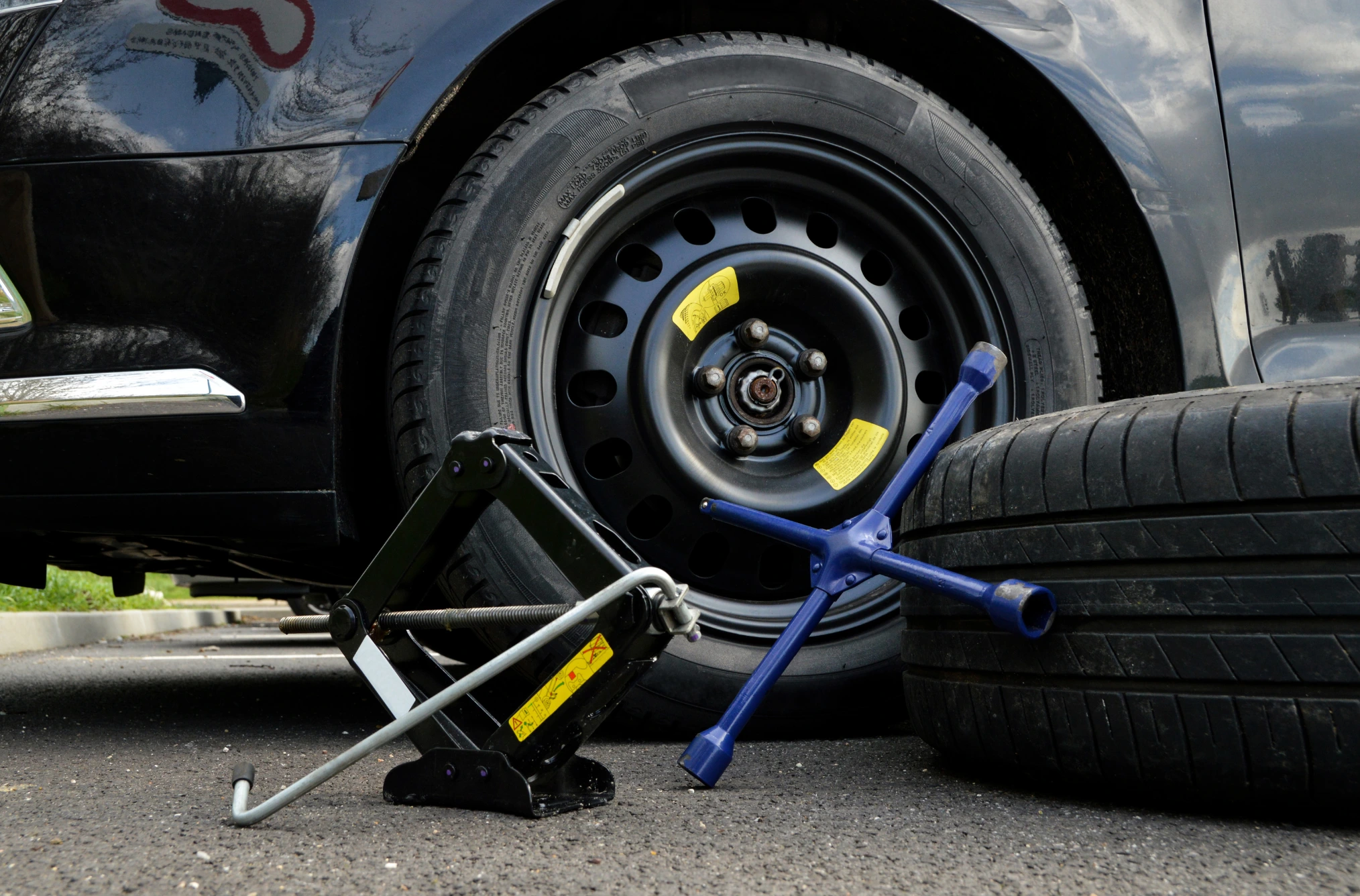
Toronto weather can change quickly in the fall. A warm afternoon can be followed by a cold morning, and the first snowfall often arrives when tire shops are already fully booked. Knowing when to install winter tires helps you avoid the seasonal rush and gives your vehicle better traction before roads become icy.
This guide explains the best time to switch, why temperature matters more than the first snowfall, and how mobile winter tire service can make the changeover easier for drivers and fleets across Toronto and the GTA.
The 7°C rule for winter tires
A practical time to install winter tires is when daily temperatures consistently fall to about 7°C or lower. Winter tires use a rubber compound designed to remain flexible in cold weather. All-season tire rubber becomes firmer as temperatures drop, which can reduce grip during braking, turning and acceleration.
You do not need to wait for snow. Cold, dry pavement can still expose the difference between a tire designed for winter temperatures and one designed for milder conditions.
When does Toronto usually reach winter-tire weather?
For most GTA drivers, October through early November is the most useful changeover window. The exact date depends on the forecast, how early you drive, and where you travel.
Consider switching earlier if you:
- commute before sunrise or return late at night;
- drive north of Toronto, where temperatures may be lower;
- travel regularly on Highway 401, Highway 400, the DVP or other high-speed routes;
- depend on your vehicle for work, deliveries or customer appointments; or
- manage fleet vehicles that cannot afford weather-related downtime.
Waiting until the first major snowfall can mean longer booking delays and unnecessary exposure to cold-road conditions.
Winter tires versus all-season and all-weather tires
Winter tires
Winter tires are built for sustained cold, snow, slush and ice. Look for the three-peak mountain snowflake symbol on the sidewall. They are normally the strongest choice for drivers who must travel throughout a GTA winter.
All-season tires
All-season tires perform well across a broad range of moderate conditions, but the name can be misleading in Canada. Their cold-weather traction generally declines as temperatures fall.
All-weather tires
All-weather tires carry the three-peak mountain snowflake symbol and can remain on the vehicle throughout the year. They may suit drivers with lower annual mileage or flexible travel schedules, although a dedicated winter set often provides better performance in severe conditions.
What should be checked during a tire changeover?
A changeover should involve more than removing one set and installing another. A technician should also inspect:
- Tread depth: Tires need enough usable tread to move snow and water away from the contact area.
- Tire age and condition: Cracks, bulges, punctures and uneven wear can make a tire unsafe even when tread remains.
- Air pressure: Tire pressure falls as outside temperature drops. The correct specification is normally shown on the driver-door placard.
- Wheel and hub condition: Corrosion or debris can prevent a wheel from seating correctly.
- Lug-nut torque: Wheel fasteners should be tightened to the vehicle manufacturer’s specification.
- TPMS operation: The tire-pressure monitoring system should recognize the installed sensors and display no warning.
If the tires are being mounted onto wheels, installation should also include proper balancing. Vibration at road speed may indicate a balance issue, bent wheel, tire defect or another condition that requires inspection.
Can a mobile mechanic install winter tires?
Yes. When the service location is level, accessible and safe, a properly equipped mobile automotive team can complete a seasonal tire change at your home, workplace or fleet yard.
Mobile service can eliminate the trip to a shop, the waiting-room delay and the need to move several company vehicles one at a time. It is especially useful for families with multiple vehicles, tradespeople, delivery operators, rental businesses and small fleets.
Before the appointment, provide the vehicle year, make and model, your location, tire size, and whether the winter tires are already mounted on wheels. This allows the technician to confirm the equipment and service time required.
How fleet operators can prepare for winter
Fleet changeovers should be planned before temperatures fall. Start with a vehicle list showing tire sizes, wheel locations, tread condition and any missing or damaged sensors. Group vehicles by yard and schedule the work during off-hours where possible.
A useful winter inspection can combine tire service with checks of batteries, exterior lights, wipers, washer fluid, coolant condition and visible fluid leaks. Completing these items together reduces repeat visits and helps identify problems before they interrupt a route.
JD Lube & Shine provides mobile fleet maintenance across the GTA, including scheduled on-site service designed to reduce vehicle downtime.
Do winter tires reduce insurance costs?
Some Ontario insurers offer discounts when qualifying winter tires are installed for the required period. Conditions vary, so confirm the installation dates, eligible tire markings and documentation requirements directly with your insurer.
Keep your invoice and note the date the tires were installed. This also gives you a useful maintenance record for future rotation and replacement planning.
Book before the first snowfall
The best time to arrange a winter-tire change is before demand peaks. JD Lube & Shine is based in Scarborough and provides mobile tire installation and balancing across Toronto and surrounding GTA communities, subject to location and service requirements.
To request availability, book a mobile service appointment online or call 647-975-2893. Include your vehicle details, tire size, location and whether the tires are mounted on wheels so we can prepare an accurate quote.
Frequently asked questions
Is October too early for winter tires in Toronto?
Not when regular temperatures are approaching 7°C, especially for drivers who travel early in the morning or north of the city. Forecasts and driving patterns matter more than a fixed calendar date.
Can winter tires be used only on the drive wheels?
Installing four matching winter tires is the safer approach. Using only two can create an imbalance in traction between the front and rear of the vehicle.
Do I need new rims for winter tires?
No. Winter tires can be mounted on your existing wheels, although a separate wheel set can make future seasonal changeovers faster and reduce repeated mounting.
Should wheel nuts be re-torqued?
Follow the vehicle and wheel-service recommendations provided after installation. If a re-torque is advised, complete it within the specified distance.